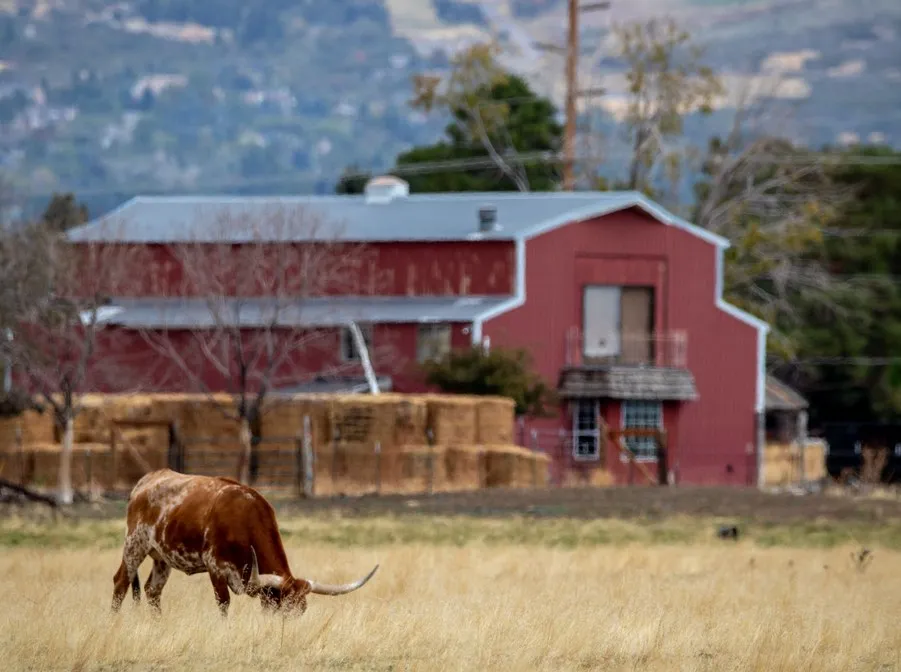
When a Texas landowner dies, a ranch or farm generally goes through probate like any other real estate, and the executor takes charge of it until it is distributed. What makes agricultural land different is everything that cannot wait. That includes livestock that needs feeding, leases that need managing, and an agricultural tax valuation that can be lost if the paperwork or the land use lapses. Handle those three things early, and most families can keep the land, sell it on their own terms, or divide it without a costly fight.
This guide is organized around the order in which issues come up, from the first weeks through the long-term decision about what to do with the land.
Keep the Operation Running in the First 30 Days
A house can sit quietly for a few months while probate begins. A working ranch cannot. Before an executor is appointed, no one has clear legal authority to sign leases, sell cattle, or write checks from the ranch account. That gap is where losses happen.
These are the usual priorities in the first month.
- Care of livestock and crops. Arrange for a neighbor, ranch hand, or family member to handle feeding, water, and harvests. Keep receipts for every expense.
- Securing the property. Check gates, fences, equipment, fuel, and firearms. Rural properties are especially vulnerable to theft when word spreads that the owner has passed.
- Insurance. Confirm that liability, property, and equipment policies remain in force. A cow on the highway is a liability problem whether or not probate has started.
- Locating the will and filing quickly. The sooner a probate application is filed, the sooner the court can appoint an executor with authority to act. In urgent cases, a temporary administrator can sometimes be appointed.
Protect the Land’s Value in the First Six Months
Keep the agricultural valuation in place
Many Texas ranches and farms receive “ag exemption” treatment, which is technically a special appraisal called open-space or 1-d-1 agricultural valuation. It taxes land based on its productive value rather than market value, and the savings can be dramatic.
Here is what families need to know after a death.
- Ownership changes require a new application. The appraisal district can require the new owner, whether the estate or the heirs, to file a fresh application. Watch for letters from the appraisal district and do not ignore them. Missing a deadline can mean losing the special valuation for that year.
- A death or transfer does not by itself trigger rollback taxes. Under the Texas Comptroller’s guidance, the rollback tax is triggered when land changes to a non-agricultural use. If the heirs keep the land in qualifying agricultural use, the valuation can continue.
- Changing the use is expensive. If qualifying use stops, the owner at that time generally owes the difference between the agricultural-value taxes and market-value taxes for the three preceding years. On land near Houston’s growth corridors, where market value may be many times the ag value, that bill can be substantial.
- The sales tax number is separate. The Texas agricultural and timber registration number used to buy feed, fencing, and equipment tax-free belongs to the owner. New owners who continue operating will need their own.
Review every lease and contract
Ranches often carry income and obligations that continue after death. Common examples include grazing leases, hunting leases, crop-share arrangements, wind or solar leases, pipeline easements, and oil and gas leases. The executor needs copies of each one, needs to know who is paying whom, and needs to make sure rent and royalties are going to the estate. For mineral interests specifically, see our guide on mineral rights inheritance in Texas.
If the operation participated in federal farm programs, contact the local USDA Farm Service Agency office to report the death and ask how program payments and contracts will be handled.
Get a qualified appraisal
The date-of-death value of the land matters for three reasons. It may be needed for tax filings, it sets the income tax basis for heirs who later sell, and it is the starting point for dividing the property fairly. An appraiser with rural land experience will value the land at market value, even though it is taxed locally at ag value. For large estates, keep in mind that the federal estate tax exemption is $15 million per person in 2026.
Who Owns the Land During Probate?
Under Texas law, the property passes to the beneficiaries or heirs at the moment of death, but the executor has the right to possess and manage it during administration. In practical terms, that means the executor decides who lives on the property, who runs the cattle, and whether any land is leased or sold, subject to the will and the executor’s duties to all beneficiaries.
That authority is often a source of friction on family ranches. One sibling may have worked the land for decades and assume they will keep running it, while others live in Houston and want to sell. The executor’s job is to follow the will and treat all beneficiaries fairly, not to pick sides. If the executor is also a beneficiary with a stake in the outcome, the other beneficiaries can demand an accounting and, if needed, ask the probate court to step in.
Deciding Whether to Keep, Sell, or Divide the Land
Once debts and taxes are handled, the family has to decide what to do with the land. The options usually come down to four paths.
| Option | How it works | Best fit when |
| Keep it together | Heirs hold the land jointly, ideally through an LLC or partnership with a written agreement | Several heirs want to keep the land and can agree on management |
| Buy out | One or more heirs purchase the others’ shares at appraised value | One heir wants to keep ranching and has access to financing |
| Divide it | The land is split into separate tracts for each heir | The land can be divided fairly by acreage, water access, and road frontage |
| Sell | The land is sold and proceeds are distributed | No one wants to operate the land, or heirs cannot agree |
Why a written co-ownership agreement matters
When several heirs simply inherit undivided shares of a ranch, every one of them has a right to use the whole property and, in most cases, to ask a court to partition it. Without a written agreement, questions like who pays the property taxes, who can hunt, and whether a share can be sold to an outsider have no clear answers. Forming an LLC or partnership to hold the land, with an operating agreement that covers management, buyouts, and transfers, prevents many of these disputes.
Heirs’ property and forced sales
Rural Texas land that has passed through several generations without clear planning can end up owned by dozens of cousins, some of whom have never visited it. In the past, any one co-owner could ask a court to force a sale of the entire tract.
Texas now offers protection. Under the Uniform Partition of Heirs’ Property Act in Texas Property Code Chapter 23A, when inherited land held by relatives without a binding co-ownership agreement is subject to a partition lawsuit, the court must determine the land’s value, and co-owners who want to keep the land get the right to buy out the interests of those asking for a sale. Courts must also consider factors such as family history with the land before ordering a sale. For families whose land has been in the family for generations, this law can make the difference between keeping the ranch and losing it at auction.
The rural homestead
If the ranch included the family home, some or all of it may qualify as a rural homestead. Texas protects up to 200 acres for a family, or 100 acres for a single person, as a rural homestead. A surviving spouse generally has the right to continue living in the homestead for life, which can affect when and how the heirs can sell or divide that portion of the land.
Protecting the Ranch for the Next Generation
Most of the problems above are easier to prevent than to fix. Landowners who want the ranch to stay in the family, or to pass smoothly to whoever will actually run it, can take several steps now.
- Use a trust or entity. A living trust or family LLC can keep the land out of probate, provide for continuous management, and set rules for buyouts. Remember that moving land into a trust or entity is a change of ownership for appraisal purposes, so the ag valuation application must be updated.
- Decide who will run it. Name a successor manager, and consider whether the child who ranches should receive the land while other children receive other assets or life insurance of equal value.
- Document leases and operations. Keep copies of every lease, easement, and program contract in one place, along with the names of the people who help run the operation.
- Keep the family informed. A ranch plan that no one has heard about until the funeral is a ranch plan that invites a lawsuit.
Frequently Asked Questions
Does inheriting land with an ag exemption trigger rollback taxes in Texas?
Not by itself. Rollback is triggered by a change to non-agricultural use, not by the transfer. The new owner should file any application the appraisal district requires and keep the land in qualifying use to preserve the valuation.
Can the executor sell the ranch without the heirs’ agreement?
It depends on the will and the type of administration. If the will gives an independent executor the power to sell, the executor may be able to sell without the heirs’ consent, though they must still act in the best interest of the estate and obtain a fair price. If the will is silent, the analysis becomes more complicated.
What if one heir wants to keep ranching and the others want to sell?
A buyout at appraised value is often the cleanest solution. If the family cannot agree, a partition lawsuit may follow, and if the land qualifies as heirs’ property, the heir who wants to keep it will generally have a right to buy out the co-owners seeking a sale.
Talk With Our Texas Probate Team
Agricultural land carries a family’s history along with its value, and the decisions made in the first months of probate often determine whether it stays in the family. Our Houston probate attorneys help families protect the ag valuation, manage the operation during administration, and resolve disagreements about the land’s future. With five offices across Greater Houston, there is one close to you.
Schedule a consultation with Your Legacy Legal Care.
This article provides general information about Texas law and is not legal or tax advice. Every situation is different. Please consult an attorney about your specific circumstances.
Related reading
Author Bio

Kim Hegwood
Managing Attorney
Kim Hegwood is the Founder and Managing Attorney of Your Legacy Legal Care®, a Houston-based estate planning and elder law firm she established in 1998. A graduate of South Texas College of Law, Kim was inspired to focus her practice on elder law and estate planning after watching her own grandparents struggle with the challenges of aging. With nearly 30 years of experience, she helps families with wills, trusts, powers of attorney, Medicaid planning, and asset protection.
Kim is a Certified Dementia Practitioner and a member of the National Academy of Elder Law Attorneys, and her firm has been named Best Trust & Estate Law Firm by the Houston Chronicle. A mother of three, she spends her free time with her children and grandchildren and volunteers with several local charities.
Elite Lawyer | LinkedIn | Avvo | National Association of Senior Advocates