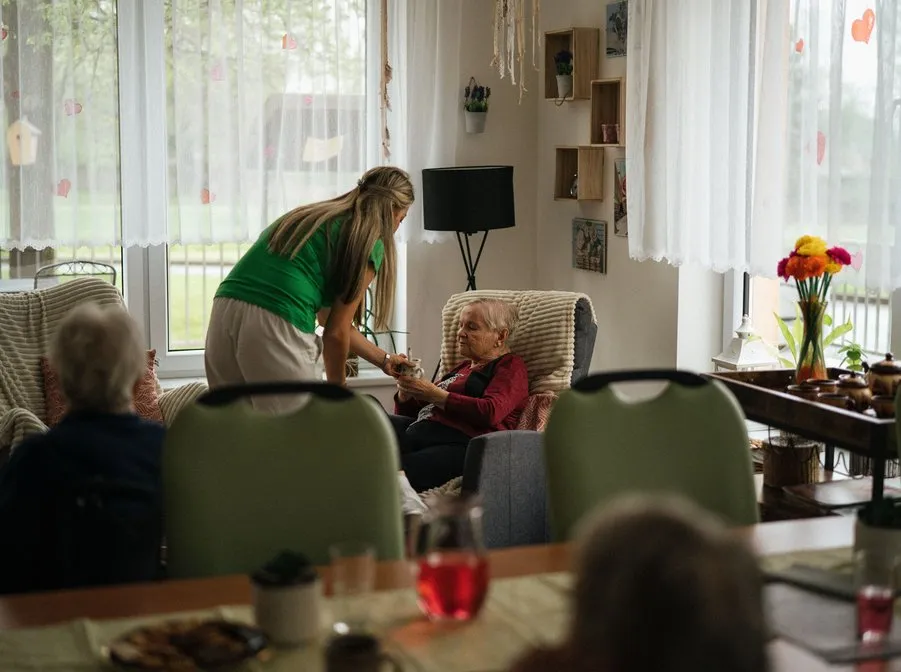
Most Houston families who file for guardianship in Harris County probate court didn’t expect to be there. They expected the existing legal documents to work — the power of attorney signed years ago, the medical directive in the safe deposit box, the trust the parents set up when they were first thinking about retirement. Then a hospital stay, a stroke, a dementia diagnosis revealed that the documents either didn’t exist, didn’t say what the family thought they said, or were rejected by the bank or hospital that was supposed to honor them. By that point, capacity was gone and guardianship was the only remaining path.
Guardianship is the most expensive, most invasive, and most time-consuming way to make decisions for an adult who can no longer make their own. It strips the protected person of legal rights they may have spent decades exercising. It puts every major financial decision under court supervision. It costs the family thousands of dollars to establish and thousands more in annual reporting requirements. And in many cases, it could have been entirely avoided with a few hours of planning years earlier.
What Texas Courts Are Actually Required to Consider
Before granting an adult guardianship in Texas, the court has to find that no less restrictive alternative would meet the proposed ward’s needs. This requirement is in Texas Estates Code §1101.101 — the court can’t appoint a guardian if a less invasive option would do the job. The Texas Legislature added this requirement specifically because guardianship had been overused historically, and courts had been granting it without seriously considering whether the family’s existing documents or a different legal arrangement would have been sufficient.
This means that when a Texas court considers a guardianship application, the proposed ward has the right to argue — through the court-appointed attorney ad litem who represents them — that a power of attorney, a supported decision-making agreement, or some other less restrictive alternative would address the situation without taking away their legal rights. If the family has those documents in place, guardianship often isn’t needed at all. If the family doesn’t, the court still has to consider whether such documents could be put in place — but capacity to sign them may already be gone.
The legal architecture is on the side of avoiding guardianship. The trick is having the right documents in place while there’s still capacity to sign them.
The Documents That Generally Make Adult Guardianship Unnecessary
For most aging Texas adults, the combination of properly drafted and properly funded legal documents below will eliminate the need for guardianship in nearly every situation.
Durable Financial Power of Attorney
This is the cornerstone document. A durable power of attorney authorizes a designated agent (the “attorney-in-fact”) to handle financial matters for the principal — banking, real estate, taxes, government benefits, retirement accounts, business interests. The “durable” feature means the authority continues if the principal becomes incapacitated, which is the entire reason this document exists.
Texas Estates Code Chapter 752 governs the statutory durable power of attorney. We covered the document in detail in our power of attorney practice page and on our POA-related blog content. The critical points for guardianship-avoidance purposes:
The POA has to be drafted to include the specific authorities the agent will need — gifting authority, beneficiary change authority, trust funding authority, and (for Medicaid planning purposes) the authority to take steps necessary to qualify the principal for benefits. The Texas statutory form leaves several of these authorities turned off by default, and a poorly drafted POA can leave the agent unable to do exactly the work that would be needed if the principal becomes incapacitated.
The POA has to actually get accepted by the institutions that need to honor it. Houston banks and brokerages routinely reject POAs they consider stale, vague, or unfamiliar. A well-drafted POA, kept reasonably current, and signed under proper Texas formalities almost always gets honored — but a generic online form often doesn’t.
The agent has to be the right person — capable, trustworthy, geographically accessible, and willing to act. Naming the wrong agent is the same problem as not having a POA at all.
Medical Power of Attorney
Texas Health and Safety Code §166.151 authorizes the medical power of attorney — a separate document from the financial POA, governed by a separate statute, requiring its own formalities. The medical POA authorizes a designated agent to make health care decisions for the principal when the principal lacks the capacity to make them.
For Houston families, the medical POA typically pairs with a HIPAA authorization (allowing the agent to access medical records) and a Directive to Physicians (sometimes called a living will, governing end-of-life care decisions). The three documents together give the agent the legal authority and the access they’ll need to make medical decisions on the principal’s behalf — eliminating the most common driver of emergency guardianship filings.
Declaration of Guardian for Yourself in Advance of Need
Texas Estates Code Chapter 1104 allows an adult to designate, in advance, who they would want appointed as their guardian if guardianship ever becomes necessary despite the other documents being in place — and, just as importantly, who they would specifically not want serving. Texas courts honor these declarations in the limited cases where guardianship is filed despite the alternatives.
The declaration matters as a backstop. Most well-planned families never need it because the other documents handle every situation. But for the rare case where guardianship becomes necessary anyway — usually because of a dispute, a missing document, or an institution refusing to honor the alternatives — the declaration ensures the right person ends up serving.
Properly Funded Revocable Living Trust
A revocable living trust provides incapacity planning that a will can’t. The grantor serves as their own trustee during life and capacity. When the grantor becomes incapacitated, the successor trustee named in the trust takes over management of the trust assets — without any court involvement, without a guardianship hearing, without the ad litem and the bond and the annual reports.
For Houston families with significant assets, the revocable living trust is often the most powerful guardianship-avoidance tool available. The trust holds the home, the brokerage accounts, the business interests. The successor trustee steps in seamlessly when needed. The court never gets involved.
The catch is funding — a trust that hasn’t been funded with the family’s actual assets does nothing. We address funding as part of every trust-based estate plan we draft.
Beneficiary Designations and TOD/POD Provisions
For accounts that can pass at death by beneficiary designation (retirement accounts, life insurance, annuities) and accounts that can use transfer-on-death or payable-on-death designations (brokerage accounts, bank accounts, real estate via Texas TOD deeds), proper designations remove these assets from the universe of property a guardian would otherwise need to manage at death.
This doesn’t directly avoid guardianship during life, but it does reduce the practical pressure to file by limiting the assets a guardianship would have to address.
The Documents That Avoid Guardianship for Adults With Disabilities
For parents of children with intellectual or developmental disabilities approaching age 18, the planning conversation is different. The standard Texas approach has historically been guardianship — the parents file in probate court before the child’s 18th birthday to maintain the legal authority they’ve always had. Many parents still go that route when full guardianship is genuinely the right fit.
For other young adults with disabilities, less restrictive alternatives exist that preserve more autonomy while still providing the legal structures the family needs.
Supported Decision-Making Agreement
Texas was one of the first states to formally adopt supported decision-making, with Texas Estates Code Chapter 1357 enacted in 2015. A Supported Decision-Making Agreement (SDMA) is a legal document under which an adult with a disability designates one or more “supporters” to help them make decisions — gather information, weigh options, communicate decisions to third parties — without transferring decision-making authority to anyone else.
Under the SDMA, the adult retains the legal right to make their own decisions. The supporters help with the process of decision-making rather than substituting their judgment for the adult’s. Third parties (banks, doctors, schools, government agencies) who deal with the adult are required to recognize the supporter’s role under the agreement.
For young adults with disabilities who have meaningful capacity to make decisions but need help understanding complex information or communicating with institutions, an SDMA preserves their autonomy while providing the legal structure for support. It’s particularly well-suited for adults with intellectual disabilities, autism, or learning disabilities who can participate meaningfully in their own lives but need help navigating systems.
The SDMA doesn’t work for adults who genuinely cannot make their own decisions. For those situations, full guardianship may still be the right answer. But for many young adults with disabilities who would historically have been placed under full guardianship, an SDMA is the better fit — and Texas courts are increasingly receptive to less restrictive alternatives.
Limited Guardianship
When some legal authority is needed but full guardianship would be excessive, Texas allows limited guardianship — a court order granting the guardian specific decision-making authority over defined areas (medical decisions, financial decisions, residential placement) while preserving the protected person’s authority over everything else.
A limited guardianship for a young adult with disabilities might give the guardian authority over medical decisions and major financial transactions while leaving the protected person free to manage day-to-day finances, employment decisions, and personal relationships. It’s a more nuanced tool than the all-or-nothing full guardianship, and Texas Estates Code §1101.151 specifically requires courts to consider limited guardianship when full guardianship would be more restrictive than necessary.
Powers of Attorney for Adults With Capacity
Some young adults with mild disabilities have full legal capacity to sign documents but want help with specific decisions. For these adults, properly drafted financial and medical powers of attorney designating a parent or other trusted person as agent can provide all the practical support the family needs without any court involvement at all.
The key requirement: the adult signing the POA has to have legal capacity at the time of signing. For some young adults with disabilities, this is a clear yes; for others, it’s the threshold question that determines which planning path the family takes.
ABLE Accounts
For young adults with disabilities, an ABLE account lets them hold up to defined limits of assets without affecting SSI or Medicaid eligibility, and allows them to manage the account themselves with parental oversight. The account doesn’t avoid guardianship by itself, but it adds a financial structure that supports the broader less-restrictive-alternatives approach.
Why Documents Sometimes Aren’t Enough
The honest answer is that documents alone don’t always avoid guardianship. The cases where guardianship still becomes necessary despite proactive planning typically involve:
Documents that exist but are no longer recognized. A POA signed in 1992 may not be honored by the bank in 2026, even though it’s technically still valid. Periodic refreshing of POAs (every five to seven years) is the standard practice.
The named agent is unable or unwilling to serve. If the only person named in the POA has died, become incapacitated, moved away, or simply doesn’t want to take on the responsibility, the family is back to needing a court-appointed guardian.
Family conflict over what the documents authorize. When siblings disagree about whether the agent under the POA is acting in the parent’s best interest, the dispute sometimes resolves through guardianship litigation rather than POA administration.
Specific decisions outside the POA’s authority. Some decisions — admitting a person to a long-term care facility against their stated wishes, certain mental health treatment decisions, decisions about dispute of life-sustaining treatment when the directive doesn’t address the situation — may require guardianship even when other documents exist.
Financial exploitation. When a person with diminished capacity is being exploited by an agent under a POA, family or others may need to seek guardianship to remove the exploiter and protect the person’s assets. The POA isn’t enough when the agent themselves is the threat.
Diagnosis after capacity is already lost. The POA only works if signed while the principal had capacity. By the time a dementia diagnosis is delivered, capacity to sign new documents may already be gone.
The first four of these are addressable through better planning — naming successor agents, periodic document refreshing, family communication about expectations, and working with attorneys who anticipate the disputes that arise. The last two are situations where guardianship may genuinely be the right answer despite everyone’s preference to avoid it.
If you’re a Houston-area family that wants to put in place the legal structures that prevent guardianship — whether for yourself, your aging parents, or your adult child with disabilities — let’s schedule a strategy session. Our team has been doing this work for over 20 years, and the first conversation usually clarifies what documents are actually needed and what they’ll cost. The work is much smaller than what your family would face in a guardianship proceeding — and much smaller than what they’ll face if no planning happens at all.
Author Bio

Kim Hegwood
Managing Attorney
Kim Hegwood is the Founder and Managing Attorney of Your Legacy Legal Care®, a Houston-based estate planning and elder law firm she established in 1998. A graduate of South Texas College of Law, Kim was inspired to focus her practice on elder law and estate planning after watching her own grandparents struggle with the challenges of aging. With nearly 30 years of experience, she helps families with wills, trusts, powers of attorney, Medicaid planning, and asset protection.
Kim is a Certified Dementia Practitioner and a member of the National Academy of Elder Law Attorneys, and her firm has been named Best Trust & Estate Law Firm by the Houston Chronicle. A mother of three, she spends her free time with her children and grandchildren and volunteers with several local charities.
Elite Lawyer | LinkedIn | Avvo | National Association of Senior Advocates