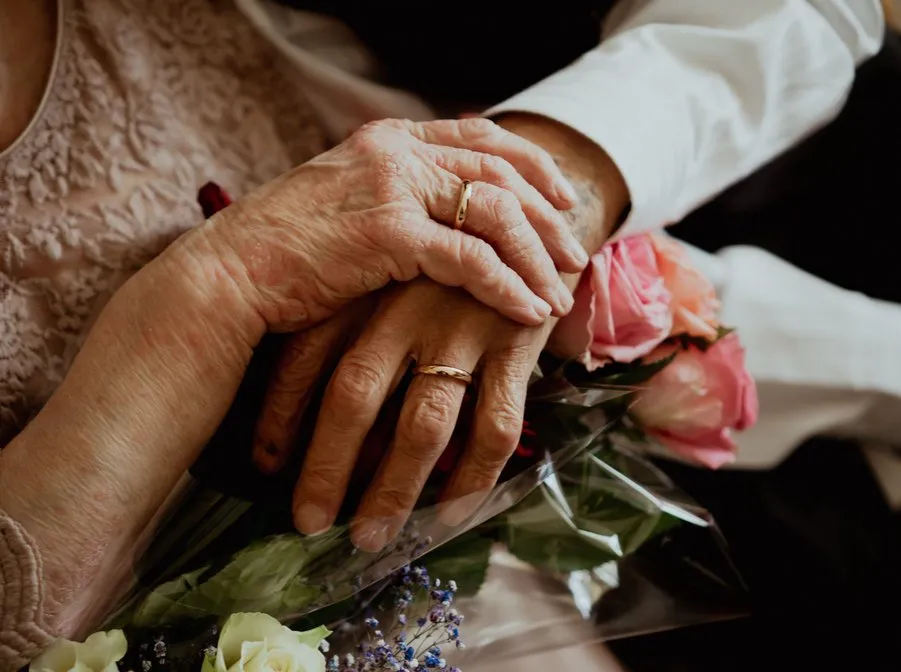

To avoid accidentally disinheriting your kids in a second marriage, do not leave everything to your new spouse outright. When you do, your spouse legally owns those assets and can later leave them entirely to their own children, cutting out yours. The reliable fix is trust-based planning, most often a QTIP trust, which provides for your surviving spouse during their lifetime while guaranteeing that whatever is left passes to your children when your spouse dies.
In a blended family, a simple will that leaves all to the spouse is one of the most common ways children get unintentionally disinherited in Texas.
How Do Children Get Accidentally Disinherited?
The trap is simple and surprisingly common. You leave everything to your spouse, trusting that your children will be taken care of eventually. But once your spouse owns the assets outright, they control where those assets go.
If your spouse later updates their own will, remarries, or simply leaves everything to their biological children, your kids can receive nothing. You did not intend to disinherit them, but the structure of the plan did it for you.
This is why families with children from prior relationships need more than a basic “everything to my spouse” will. Coordinated estate planning is what keeps both families protected.
What Happens in a Blended Family Without a Plan?
If you die without a will in Texas, intestacy law decides who inherits, and the results often shock blended families. Under the Texas Estates Code, when you have children from a relationship other than your current marriage, your one-half share of the community property passes to your children, not your spouse.
That means your spouse could suddenly co-own the family home with your adult children from a prior marriage. Separate property splits in still different ways under the Texas Estates Code, often leaving the spouse with only a fractional share or a life estate. These default outcomes rarely match what either spouse actually wanted, and they can pit stepchildren against a surviving spouse at the worst time.
Why Isn’t a Will Enough?
A will is better than nothing, and it can override the intestacy rules. But a will still passes assets outright to whoever you name. If that is your spouse, the same problem returns: once they own the assets, they decide who inherits next.
A will also does nothing to coordinate what happens after both spouses die. For blended families, that second-death question is the whole ballgame. This is where a trust does what a will cannot, which is why trust planning is so central for second marriages.
How Does a QTIP Trust Protect Both Families?
A Qualified Terminable Interest Property trust, or QTIP, is the standard tool for this situation. Here is how it works:
- Your assets go into the trust when you die.
- Your surviving spouse receives income from the trust, and support, for the rest of their life.
- When your spouse dies, whatever remains passes to the beneficiaries you named, typically your children.
This gives your spouse lifetime financial security while guaranteeing that your children ultimately inherit. Your spouse cannot redirect the remainder to someone else, because they never owned it outright. For many blended families, this single structure solves the disinheritance problem. Building it correctly is a core part of trust planning.
What Other Tools Help in a Second Marriage?
A QTIP is not the only option, and the right mix depends on your family. Other tools include:
- A revocable living trust to coordinate all your property, avoid probate, and keep the plan private.
- Separate property agreements to keep premarital assets clearly identified as yours.
- Beneficiary designations on life insurance and retirement accounts, reviewed so they match your overall plan rather than contradict it.
- In some high-net-worth cases, a bypass trust, though with the 2026 federal estate tax exemption at $15 million per person and no Texas estate tax, these are less about taxes now and more about control.
The point is to plan deliberately rather than rely on defaults. A well-built plan protects your spouse and your children at the same time, which is exactly what most people in a second marriage want. This kind of asset protection keeps a blended family from splitting apart over money.
Frequently Asked Questions
If I leave everything to my spouse, won’t they take care of my kids?
They might intend to, but once they own the assets, they control them. They can later leave everything to their own children, unintentionally cutting out yours.
Does a will prevent disinheritance in a blended family?
Not fully. A will passes assets outright, so if your spouse inherits, they decide who inherits next. A trust is usually needed to protect your children.
What is a QTIP trust in plain terms?
It provides income and support to your surviving spouse for life, then passes what remains to your chosen beneficiaries, usually your children, without letting the spouse redirect it.
What happens in Texas if I die without a will in a second marriage?
Your share of community property generally passes to your children, not your spouse, which can leave your spouse co-owning the home with your kids.
Do I still need tax-focused trusts in 2026?
For most families, no. With a $15 million federal exemption and no Texas estate tax, blended family planning is about control and fairness, not estate tax.
Protect Both Families With the Right Plan
A second marriage adds people you love to the picture, and a plan built for a first marriage rarely fits. Leaving everything to your spouse feels natural, but it is the very move that most often disinherits children by accident. The fix is a structure that provides for your spouse and protects your kids at once.
At Your Legacy Legal Care®, our estate planning team builds trust-based plans for Greater Houston blended families so no one gets unintentionally cut out, on a flat fee so the cost is clear up front. To protect both families, schedule a strategy session.
Key Takeaways
- Leaving everything outright to a new spouse is the most common way children get accidentally disinherited in a second marriage.
- Once your spouse owns the assets, they control where those assets go next and can leave them to their own children.
- In Texas, dying without a will can send your community property share to your children, leaving your spouse co-owning the home with them.
- A QTIP trust provides for your surviving spouse for life while guaranteeing your children inherit what remains.
- With the 2026 estate tax exemption at $15 million and no Texas estate tax, blended family planning is about control and fairness, not taxes.
Related Resources from Your Legacy Legal Care®
This article was reviewed by the estate planning team at Your Legacy Legal Care®. It is general information, not legal advice for your specific situation.
Author Bio

Kim Hegwood
Managing Attorney
Kim Hegwood is the Founder and Managing Attorney of Your Legacy Legal Care®, a Houston-based estate planning and elder law firm she established in 1998. A graduate of South Texas College of Law, Kim was inspired to focus her practice on elder law and estate planning after watching her own grandparents struggle with the challenges of aging. With nearly 30 years of experience, she helps families with wills, trusts, powers of attorney, Medicaid planning, and asset protection.
Kim is a Certified Dementia Practitioner and a member of the National Academy of Elder Law Attorneys, and her firm has been named Best Trust & Estate Law Firm by the Houston Chronicle. A mother of three, she spends her free time with her children and grandchildren and volunteers with several local charities.
Elite Lawyer | LinkedIn | Avvo | National Association of Senior Advocates