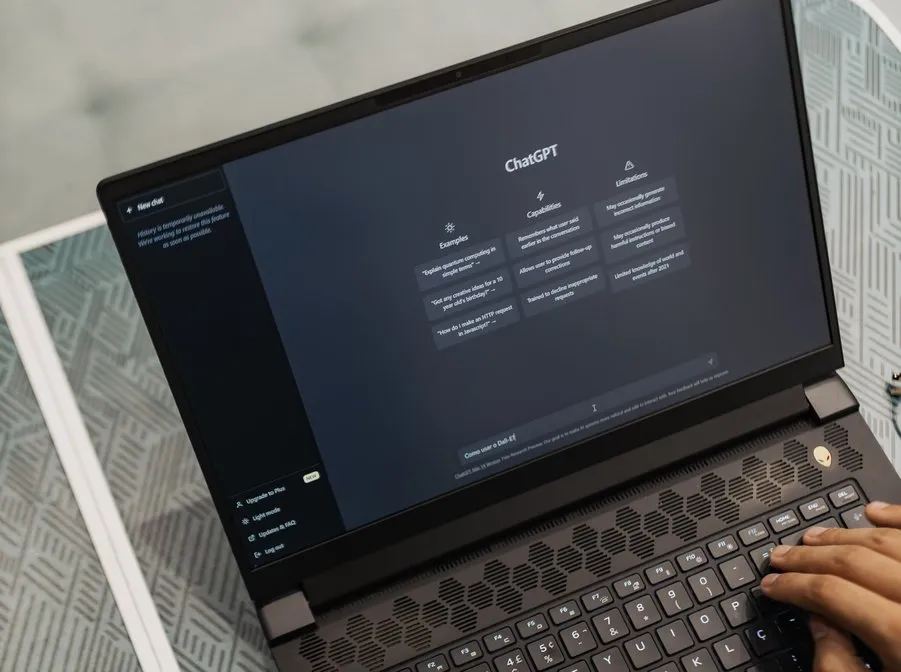

ChatGPT can generate text that looks like a will, but it cannot make a valid Texas will on its own, and relying on it is risky. A will in Texas has to meet strict signing and witnessing rules to hold up in probate, and an AI chatbot cannot witness your signature or confirm you had the legal capacity to sign.
Just as important, AI does not know your family, can produce generic or out-of-date information, and sometimes states things confidently that are simply wrong. It may be a useful place to gather questions before you meet an attorney, but it is not a substitute for one when your family’s future is on the line.
Can ChatGPT Actually Create a Valid Will?
It can draft language. It cannot execute a will. Those are different things, and the second is where wills succeed or fail.
Under the Texas Estates Code, a typed will generally must be signed by you and witnessed by two credible people, at least 14 years old, who sign in your presence. The signing formalities are not optional, and a document that ignores them can be thrown out in probate. You can review the execution requirements in the Texas Estates Code.
A chatbot can hand you words on a screen, but it cannot supervise a proper signing, provide qualified witnesses, or add the self-proving affidavit that makes probate smoother.
What Does Texas Require for a Will to Be Valid?
For an attested (typed) will in Texas, the core requirements are:
- The will is in writing.
- You sign it, or someone signs for you in your presence and at your direction.
- Two or more credible witnesses, age 14 or older, sign in your presence.
- You have testamentary capacity, meaning you understand what you are signing and what you own.
A self-proving affidavit, signed before a notary, is not required but makes the will far easier to admit to probate later. An AI-generated document that skips these steps is not a valid will, no matter how polished it reads. Getting these formalities right is the baseline of any real will.
Where Does AI Go Wrong on Estate Planning?
Even setting aside execution, AI has real limits for legal work:
- It is state-specific blind spots. Wills and powers of attorney vary by state, and AI often produces generic language that does not fit Texas law.
- It hallucinates. AI can state incorrect rules, cite laws that do not exist, or give outdated figures with total confidence.
- It tells you what you want to hear. Good planning sometimes requires hard truths about family, taxes, or fairness. A tool built to be agreeable is not the one to deliver them.
- It does not know your family. The best plans come from understanding second marriages, a child with special needs, a strained relationship, or a business. AI knows none of that unless it is missing the context entirely.
These are not small gaps. They are exactly the places where DIY plans tend to break.
What Are the Real Risks of an AI or DIY Will?
The danger with a flawed will is that no one discovers the problem until you are gone and cannot fix it. Common outcomes include:
- A will rejected in probate because it was signed or witnessed incorrectly
- Ambiguous language that sparks a family dispute
- Property passing to the wrong person because the will did not account for Texas community property rules
- Children from a prior marriage unintentionally cut out
- No coordination with beneficiary designations or a trust, so the plan contradicts itself
Fixing these problems in court is expensive and slow, and it often costs far more than doing the plan correctly the first time.
Is There Any Good Use for AI in Estate Planning?
Yes, within limits. AI can help you learn the vocabulary, understand general concepts, and build a list of questions to bring to an attorney. Used that way, it can make your first meeting more productive.
What it should not do is draft the documents your family will rely on. Think of AI as a starting point for your own understanding, not as the professional who designs and executes the plan. The judgment, the Texas-specific drafting, and the proper signing still need a person. That combination is what a dedicated estate planning attorney provides.
Frequently Asked Questions
Is an AI-generated will legal in Texas?
Only if it happens to meet all of Texas’s signing and witnessing rules, which AI cannot supervise. The text alone is not a valid will until it is properly executed.
Can I just print what ChatGPT gives me and sign it?
Printing and signing without proper witnesses and capacity can produce an invalid will. Execution formalities are what make a will hold up in probate.
Does AI know Texas community property rules?
Not reliably. AI often gives generic answers and can miss how Texas community property and intestacy rules affect who inherits.
Can AI handle a blended family or special needs situation?
No. Those situations require understanding your family and drafting tailored protections, which AI cannot do without full context and legal judgment.
Is it ever okay to use AI for estate planning?
As a learning tool and to prepare questions, yes. As the drafter of documents your family depends on, no.
When to Use AI, and When to Call a Lawyer
AI is a helpful research assistant and a poor substitute for legal judgment. A will is not just a document. It is a set of formalities, state-specific rules, and family-specific decisions that have to be right the first time, because there is no fixing it later.
At Your Legacy Legal Care®, our estate planning team drafts wills and full plans for Greater Houston families that are built for Texas law and executed correctly, on a flat fee so you know the cost before we start. To do it right, schedule a strategy session.
Key Takeaways
- ChatGPT can draft will-like text but cannot execute a valid Texas will, because it cannot supervise proper signing, provide witnesses, or confirm capacity.
- A typed Texas will generally must be in writing, signed by you, and witnessed by two credible people age 14 or older who sign in your presence.
- AI often gives generic, state-blind, or outdated information and can state wrong rules with confidence.
- A flawed DIY or AI will can be rejected in probate, spark family disputes, or accidentally disinherit children.
- AI is useful for learning and preparing questions, but the drafting, Texas-specific judgment, and execution still require an attorney.
Related Resources from Your Legacy Legal Care®
Author Bio

Kim Hegwood
Managing Attorney
Kim Hegwood is the Founder and Managing Attorney of Your Legacy Legal Care®, a Houston-based estate planning and elder law firm she established in 1998. A graduate of South Texas College of Law, Kim was inspired to focus her practice on elder law and estate planning after watching her own grandparents struggle with the challenges of aging. With nearly 30 years of experience, she helps families with wills, trusts, powers of attorney, Medicaid planning, and asset protection.
Kim is a Certified Dementia Practitioner and a member of the National Academy of Elder Law Attorneys, and her firm has been named Best Trust & Estate Law Firm by the Houston Chronicle. A mother of three, she spends her free time with her children and grandchildren and volunteers with several local charities.
Elite Lawyer | LinkedIn | Avvo | National Association of Senior Advocates